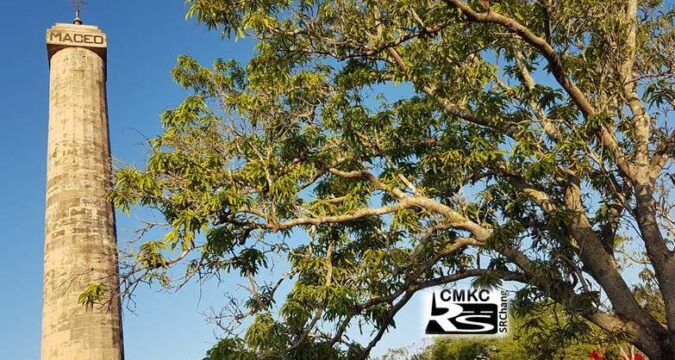
With every attempt, Baragua is present. It is not a single point in this archipelago, but an entire country; a voice that is not that of a single man, but of an whole people: Save that charade for yourself, “we don’t understand each other”!
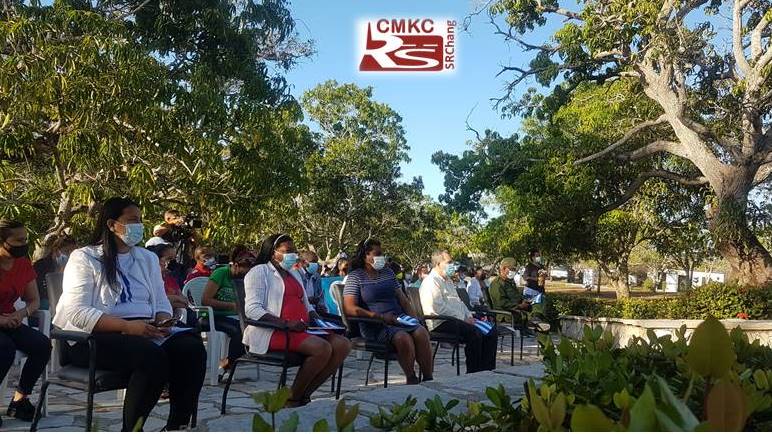
Baragua, March 15, 1878. Face to face, shadow and light met beneath those “cheap” mango trees, dreamed up as such by a foreigner with the rank of general, who arrived at the site to take them “by surprise,” as he had done before in Mexico, Morocco, and in his own Spain, against the so-called “Carlist resistance” of Catalonia and Navarre; conflicts from which, with the help of bribes, intrigues, gunfire, and sugarcoated speeches, his colonizing sword emerged victorious; today they call that doctrine “smart power.”
Undoubtedly astute, in Baragua Arsenio Martinez realized he would not achieve a military victory over the Cuban mambi forces. So he opted for Iberian smart power, a formula from which he had reaped such rich rewards in other regions.
He thought the stratagem would work on the island. That El Zanjon—30 days before–would be repeated at Baragua. That a flattery and short, insincere speech would suffice.
“Enough of sacrifices and bloodshed; you have done enough to astonish the world with your tenacity and resolve,” praised General Martinez in Baragua, after reflecting on the courage and youth of a 32-year-old man who, from the rebel side, looked at him with apparent calm.
“The time has come for our differences to end, and for Cubans and Spaniards alike to set out to lift this country from the prostration into which ten years of bitter war have plunged it,” continued the astute colonialist officer, as his hand reached out with the document of the patriots’ disguised surrender.
Then, in Baragua, the light dawned that extinguished his hope: “Keep that document away; we want nothing to do with it,” the Mambi general retorted like a bolt of lightning. And to a question from the bewildered “peacemaker,” the sharp “No: We do not understand each other,” Antonio Maceo replied even more emphatically.
Since then, and to this day, Cuba has faced no shortage of perilous times; and in none of them were there lacking opportunists, Plattists, annexationists, and Zanjon followers who, in search of fame, money, and comfort, carry out the order to slander the homeland, sell it out, and even call for an attack against it.
Poor souls. With every attempt, Baragua appears before them—not a mere place on this archipelago, but an entire country; a voice that is not that of a single man, but of an entire people:
“Save that charade for yourself, ‘we don’t understand each other’!”